Archives
- 2026-06
- 2026-05
- 2026-04
- 2026-03
- 2026-02
- 2026-01
- 2025-12
- 2025-11
- 2025-10
- 2025-09
- 2025-03
- 2025-02
- 2025-01
- 2024-12
- 2024-11
- 2024-10
- 2024-09
- 2024-08
- 2024-07
- 2024-06
- 2024-05
- 2024-04
- 2024-03
- 2024-02
- 2024-01
- 2023-12
- 2023-11
- 2023-10
- 2023-09
- 2023-08
- 2023-06
- 2023-05
- 2023-04
- 2023-03
- 2023-02
- 2023-01
- 2022-12
- 2022-11
- 2022-10
- 2022-09
- 2022-08
- 2022-07
- 2022-06
- 2022-05
- 2022-04
- 2022-03
- 2022-02
- 2022-01
- 2021-12
- 2021-11
- 2021-10
- 2021-09
- 2021-08
- 2021-07
- 2021-06
- 2021-05
- 2021-04
- 2021-03
- 2021-02
- 2021-01
- 2020-12
- 2020-11
- 2020-10
- 2020-09
- 2020-08
- 2020-07
- 2020-06
- 2020-05
- 2020-04
- 2020-03
- 2020-02
- 2020-01
- 2019-12
- 2019-11
- 2019-10
- 2019-09
- 2019-08
- 2019-07
- 2019-06
- 2019-05
- 2019-04
- 2018-11
- 2018-10
- 2018-07
-
br Funding This study was supported by grants
2021-12-02

Funding This study was supported by grants-in-aid for scientific research from the Japan Society for Promotion of Science (grant 16K186462 to Dr. Tomizawa, grant 16K19989 to Dr. Kobayashi, and grant 16H05433 to Dr. Mitsudomi) and a research grant from Boehringer-Ingelheim (to T. Mitsudomi). Co
-
Since we found miR b p to be
2021-12-02
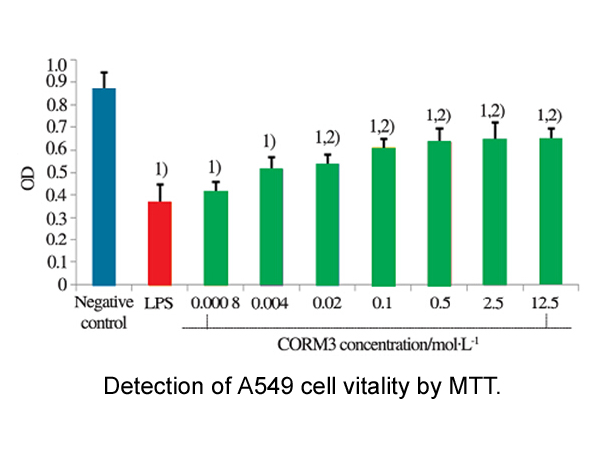
Since we found miR-15b-5p to be differentially expressed along the porcine intestine in 31 day old piglets in a former study [10], the entire miRNA family was analyzed in terms of interaction with potential target-genes. In silico analysis predicted miR-15 family members to target the hedgehog signa
-
Lactate as administered in these models is
2021-12-02
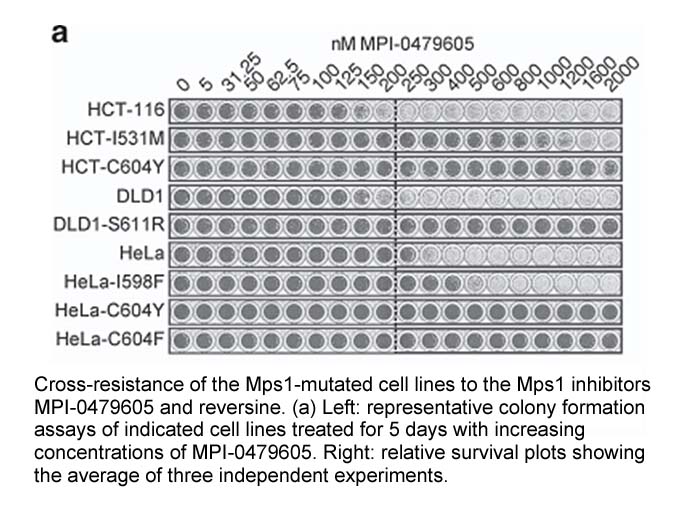
Lactate as administered in these models is metabolized rapidly and it appears that transient engagement of GPR81 with lactate serum concentrations in the range of moderate exercise physiology, as measured here at 3–4 mmol/L, are sufficient to suppress tissue macrophage NF-κB activation in our models
-
br Glycoprotein Production br Strategies
2021-12-02
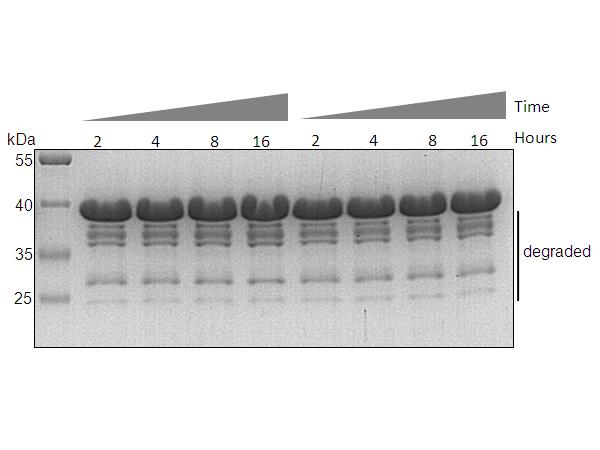
Glycoprotein Production Strategies to Obtain Glycoprotein Compositional Homogeneity Glycoproteins are modified by glycosyltransferases and glycosylhydrolases in the ER and Golgi; however, the degree of remodeling for each glycan on each protein is not explicitly defined by a template (Moremen
-
There are human genes in
2021-12-01

There are 12 human genes in the SLC5A family, and 6 of these are expressed in human heart (Table 2). Little is known about SGLT proteins in the heart. Zhou et al. [56] reported the presence of SGLT1 mRNA in the human heart. Researchers have found that levels of SGLT1 mRNA in heart are approximately
-
Determination of enzyme activity differs from
2021-12-01
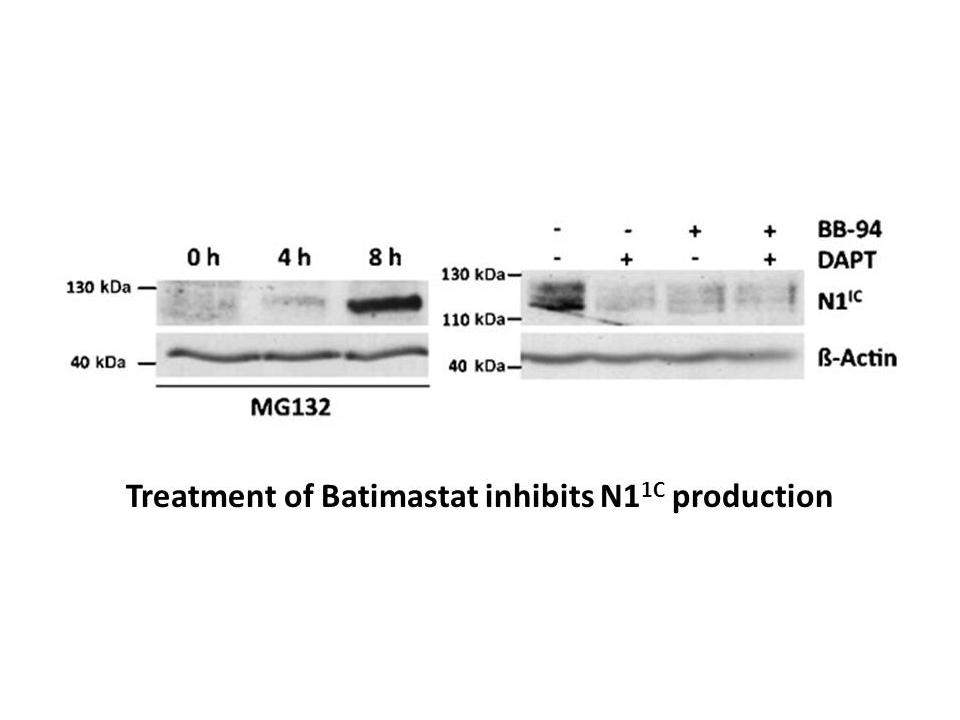
Determination of enzyme activity differs from other analytical procedures. In this Fisetin case , instead of enzyme concentration, a substrate depletion or product accumulation should be monitored. Such approach allows calculating activity basis of calibration curves performed for enzymatic reaction
-
Interestingly transgenic mice that constitutively express ac
2021-12-01
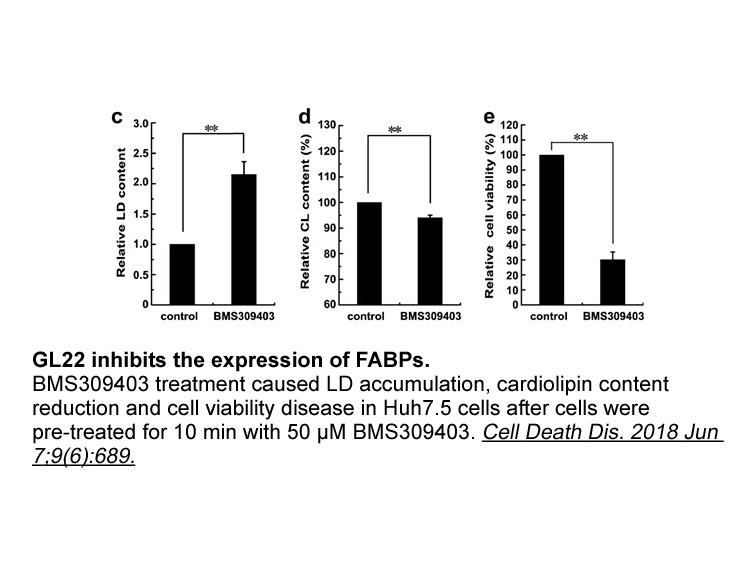
Interestingly, transgenic mice that constitutively express active FXR in the intestine (iVP16FXR) are protected from chemically-induced and genetically-induced cholestasis. This protective effect is attributed to the induction of intestinal FGF15 and repression of hepatic Cyp7a1 expression, downregu
-
Endothelial cells receive a variety of information
2021-12-01
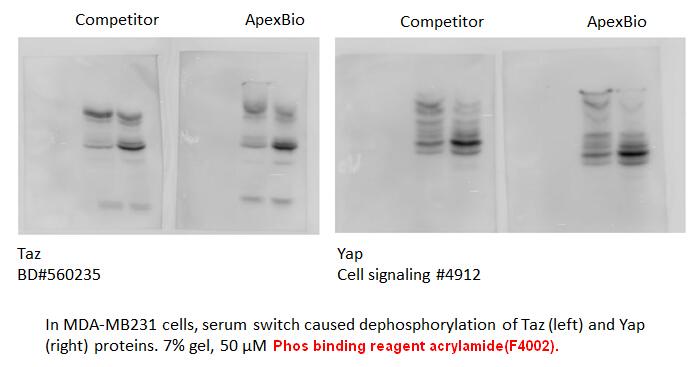
Endothelial cells receive a variety of information from the environment which finally guides them through all phases of neovascularization. Angiogenic signals enhance the proliferation of endothelial cells, upregulated resistance to apoptosis, alterations within proteolytic balance, reorganization o
-
Allergic rhinitis characterized by inflammation
2021-12-01

Allergic rhinitis, characterized by inflammation of the nasal membrane, results from an over-activated immune system exposed to Safingol in sensitized individuals, and is associated with nasal congestion, rhinorrhea, sneezing, and pruritus. As histamine is a key mediator in triggering allergic rhin
-
A number of studies have reported that lncRNA may function
2021-12-01
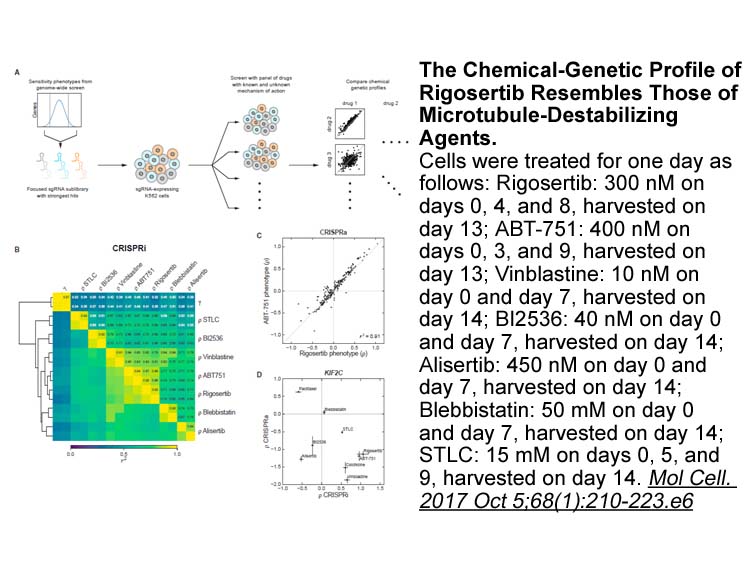
A number of studies have reported that lncRNA may function as sponge to interact with miRNAs at posttranscriptional level, thereby regulating miRNA targeted genes (Tang et al., 2015, Han et al., 2015). For example, lncRNA Malat1 induces autophagy by regulating ULK2 via sponging miR-26b (Li et al., 2
-
AKT inhibitor VIII Our investigation also showed NAC increa
2021-12-01

Our investigation also showed NAC increased the level of DAF and might protect HUVECs from complement activation. NAC, an antioxidant/mucous modifier, has displayed benefits in chronic obstructive pulmonary disease. Martinez de Lizarrondo et al [38] provided evidence that the molecular target underl
-
The following are the supplementary data related to this art
2021-12-01
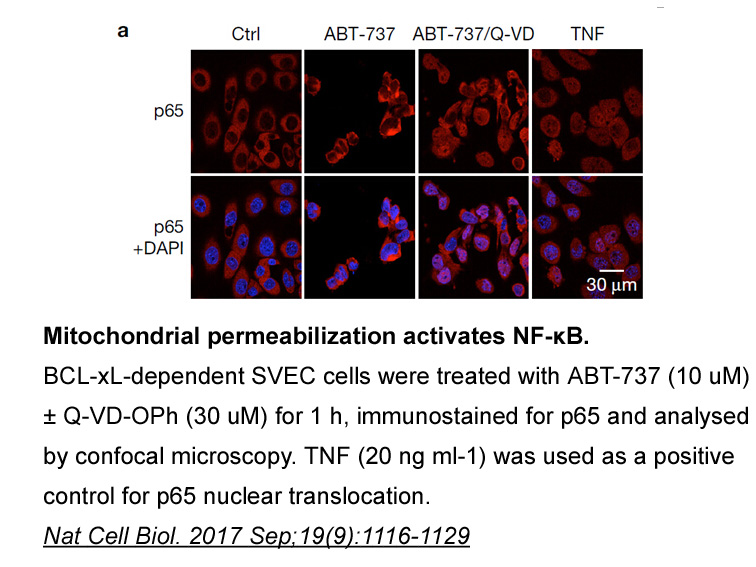
The following are the supplementary data related to this article. Introduction Target therapies have achieved significant gains in the fight against cancer, however, they are still a long way from providing generally curative treatments for the majority of cancers. Targeted agents can be used wi
-
The fibulins are a newly abundantly
2021-12-01
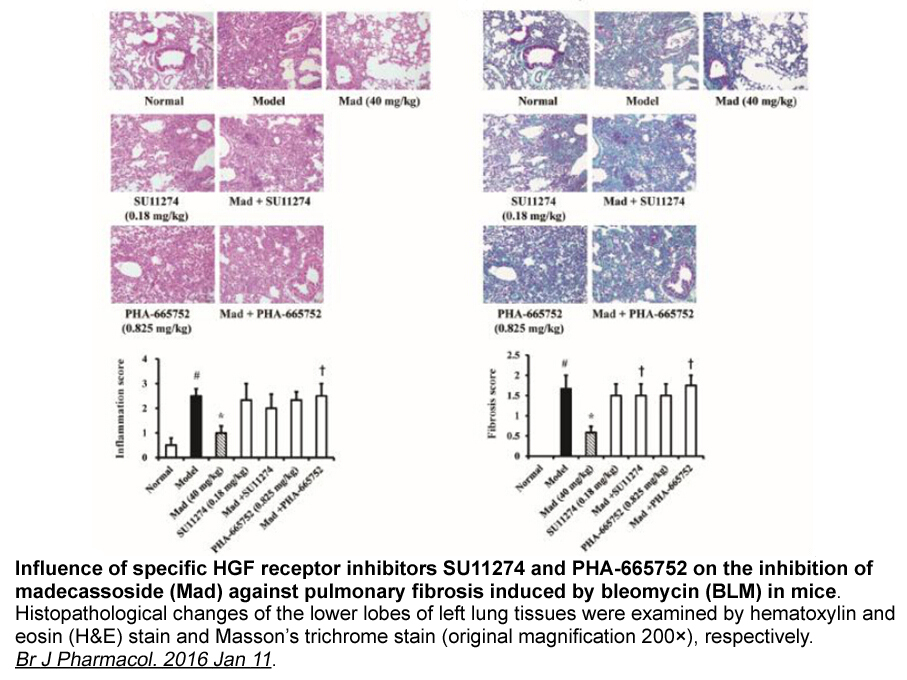
The fibulins are a newly abundantly in the basement membrane of blood vessels. Among them, fibulin-1 is essential for elastin polymerization. Tropoelastin cannot be assembled into mature elastin fibrils without the functional fibulin-1. In adult blood vessels, pronounced fibulin 1 deposition can be
-
br Conclusions br Acknowledgement br Introduction The
2021-12-01
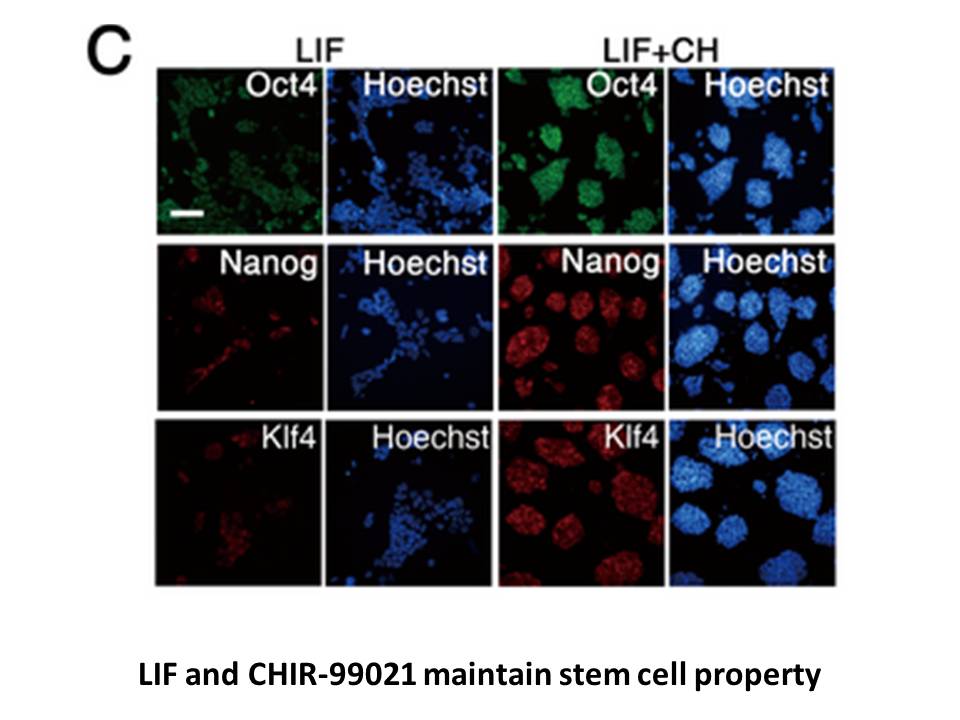
Conclusions Acknowledgement Introduction The macrophage is an important cell species that plays key roles in innate immune responses and inflammatory reactions through phagocytosis of foreign bodies and secretion of inflammatory mediators such as interleukin (IL)-1, tumor necrosis factor (T
-
br Family A Receptors as Promiscuous Sensors for Peptone
2021-12-01
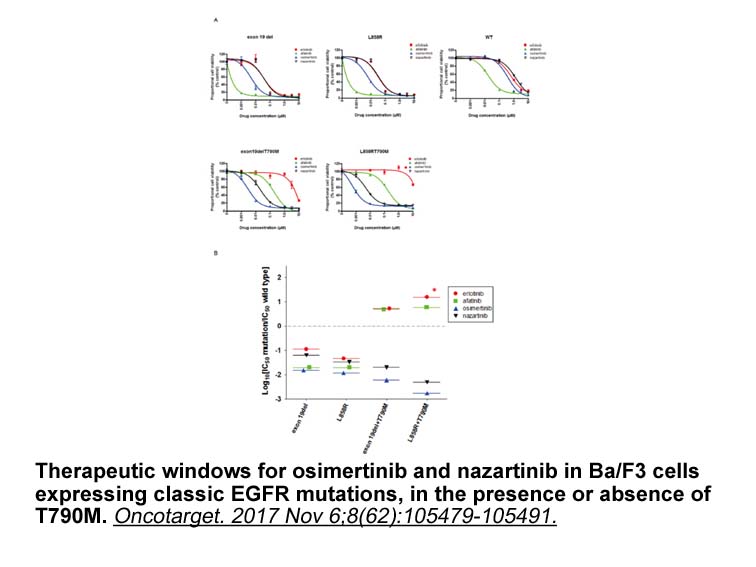
Family A Receptors as Promiscuous Sensors for Peptone and Free Fatty Acids (FFAs) In addition to the family C 7TM receptors, several family A 7TM receptors are promiscuous in their ligand preferences, and several respond to organic nutrients from food, notably protein degradation products and FFA
16035 records 521/1069 page Previous Next First page 上5页 521522523524525 下5页 Last page