Archives
- 2026-04
- 2026-03
- 2026-02
- 2026-01
- 2025-12
- 2025-11
- 2025-10
- 2025-09
- 2025-03
- 2025-02
- 2025-01
- 2024-12
- 2024-11
- 2024-10
- 2024-09
- 2024-08
- 2024-07
- 2024-06
- 2024-05
- 2024-04
- 2024-03
- 2024-02
- 2024-01
- 2023-12
- 2023-11
- 2023-10
- 2023-09
- 2023-08
- 2023-06
- 2023-05
- 2023-04
- 2023-03
- 2023-02
- 2023-01
- 2022-12
- 2022-11
- 2022-10
- 2022-09
- 2022-08
- 2022-07
- 2022-06
- 2022-05
- 2022-04
- 2022-03
- 2022-02
- 2022-01
- 2021-12
- 2021-11
- 2021-10
- 2021-09
- 2021-08
- 2021-07
- 2021-06
- 2021-05
- 2021-04
- 2021-03
- 2021-02
- 2021-01
- 2020-12
- 2020-11
- 2020-10
- 2020-09
- 2020-08
- 2020-07
- 2020-06
- 2020-05
- 2020-04
- 2020-03
- 2020-02
- 2020-01
- 2019-12
- 2019-11
- 2019-10
- 2019-09
- 2019-08
- 2019-07
- 2019-06
- 2019-05
- 2019-04
- 2018-11
- 2018-10
- 2018-07
-
br Materials and methods br Results br Discussion Several ma
2024-11-28
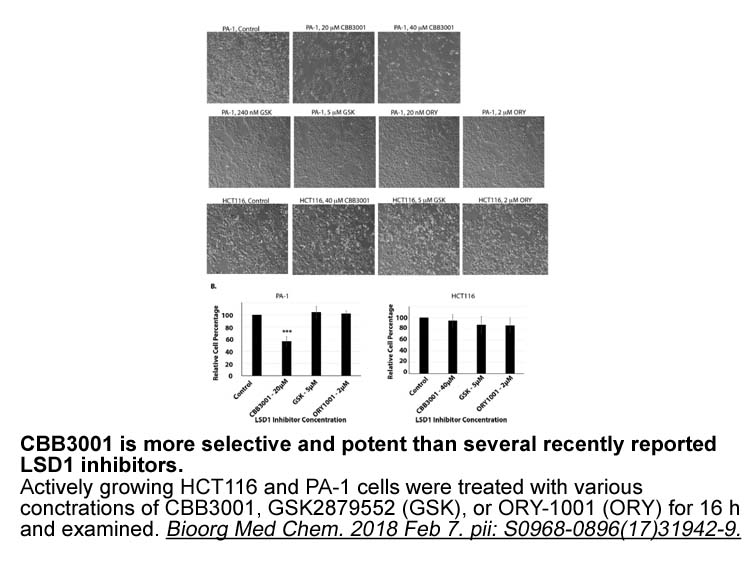
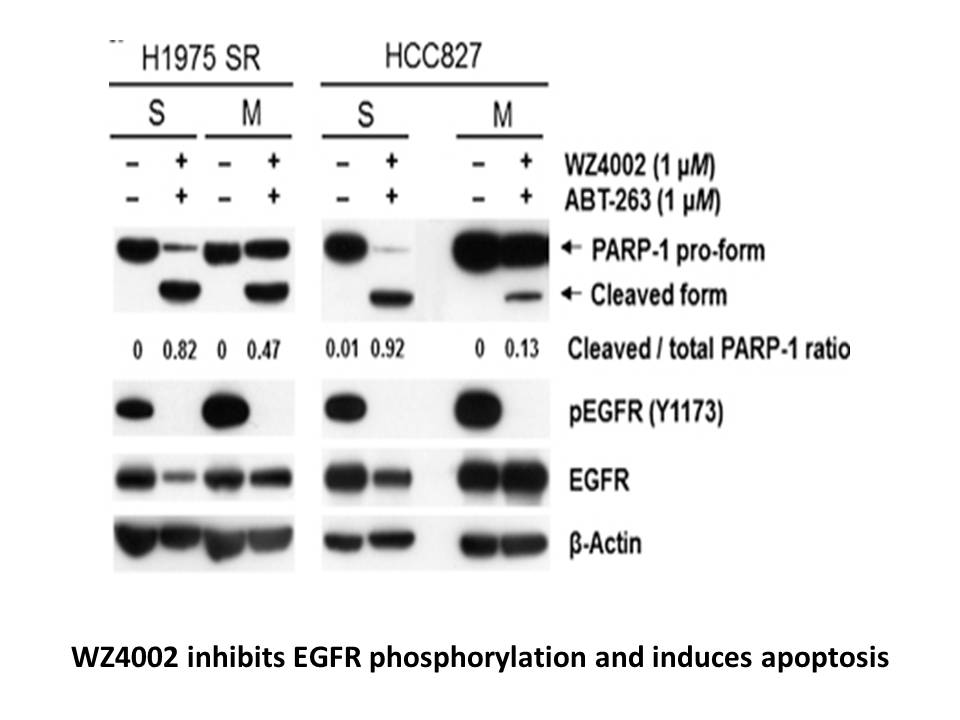
Materials and methods Results Discussion Several major signaling and developmental pathways (e.g. EGFR, ALK, KRAS, TGFβ, Notch and Wnt/β-catenin) have been shown to be involved in lung carcinogenesis and they are being exploited as targets of the non-small cell lung cancer therapy (for revi
-
To further clarify the vascular cell types expressing AR sub
2024-11-28
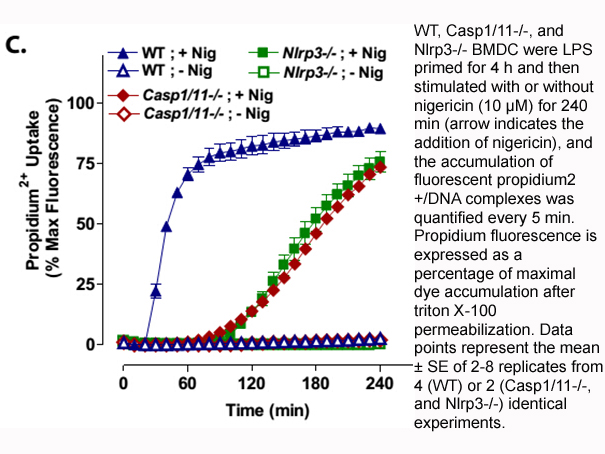
To further clarify the vascular cell types expressing AR subtypes, double immunofluorescence staining for ARs and vascular endothelial Potassium Canrenoate or vascular smooth muscles was performed. As shown in Fig. 3, Fig. 4, overlay images show the expression of all ARs subtypes that we examined i
-
Interestingly as observed with Treg cells adenosine can regu
2024-11-27
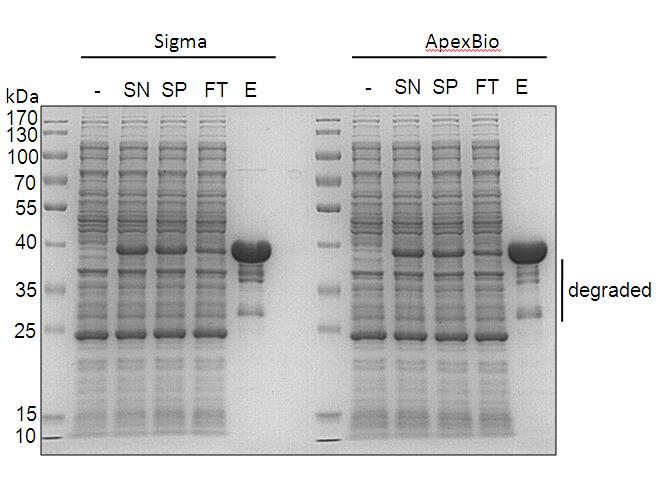
Interestingly, as observed with Treg cells, adenosine can regulate the function of Breg cells, a subset of immunosuppressive cells that support immunological tolerance [115]. In particular, Bregs were able to regulate both their own function and T cell activity via an adenosine signaling originating
-
br Experimental procedures Adk tg Adktm tg UbiAdk mice
2024-11-27
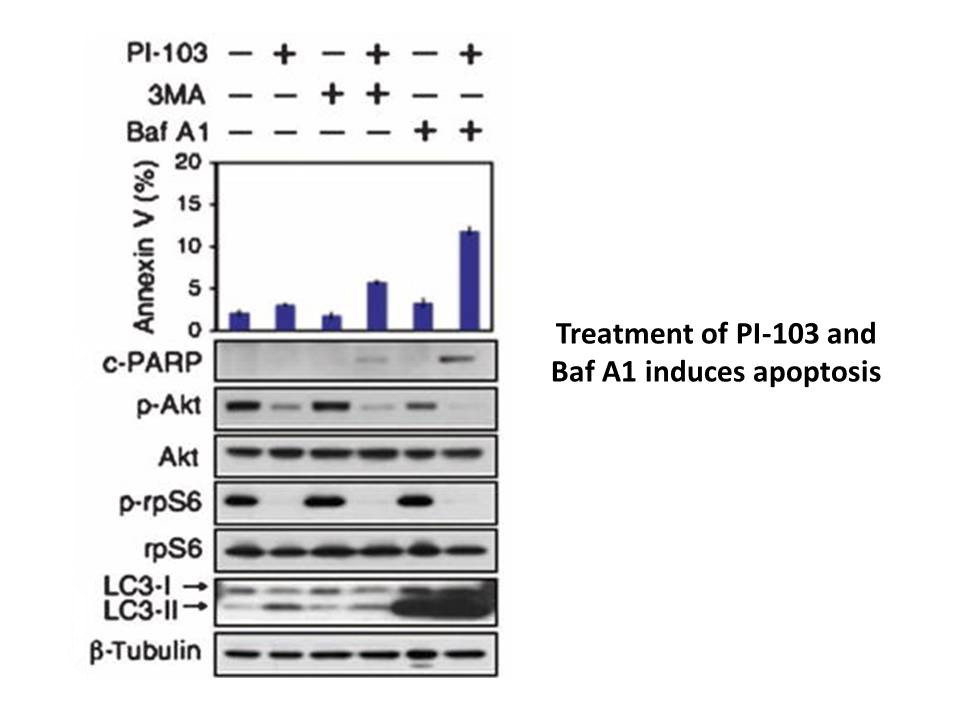
Experimental procedures Adk-tg (Adktm1−/−:tg(UbiAdk) mice were created by breeding a loxP-flanked Adk transgene under the control of a human ubiquitin promoter into ADK knockout mice (Fedele et al., 2005,). Fb-Adk-def (Adktm1−/−:tg(UbiAdk):Emx1-Cre-tg3) mice were generated by pairing Emx1-Cre-tg3
-
br Acknowledgements br Introduction Autoantibodies
2024-11-27
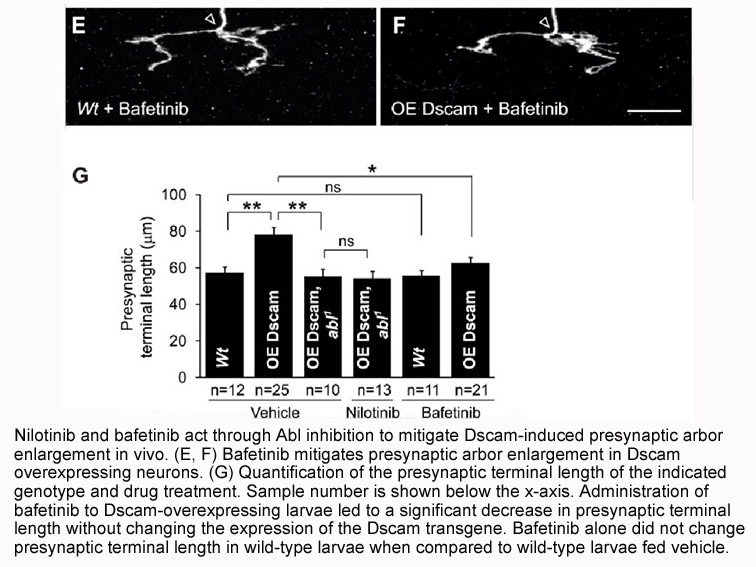
Acknowledgements Introduction Autoantibodies directed at neurotransmitter receptors and ion channels are pathogenic and/or biomarkers in several autoimmune neurological diseases [1]. For example, autoantibodies directed against voltage-gated potassium channels, the P/Q-type (α1A) voltage-gated
-
On the basis of the above information
2024-11-27
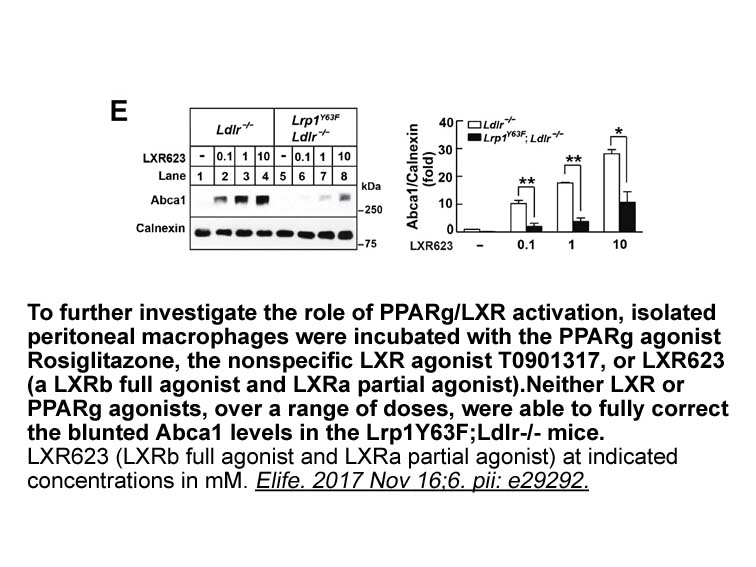
On the basis of the above information, we designed a new series of benzothiazole–piperazine derivatives (–) that have the aforementioned structural requirements (). Benzothiazole is an important ring system in the drug discovery studies of AD. There are several benzothiazole compounds that show pote
-
Although our data failed to reproduce
2024-11-27
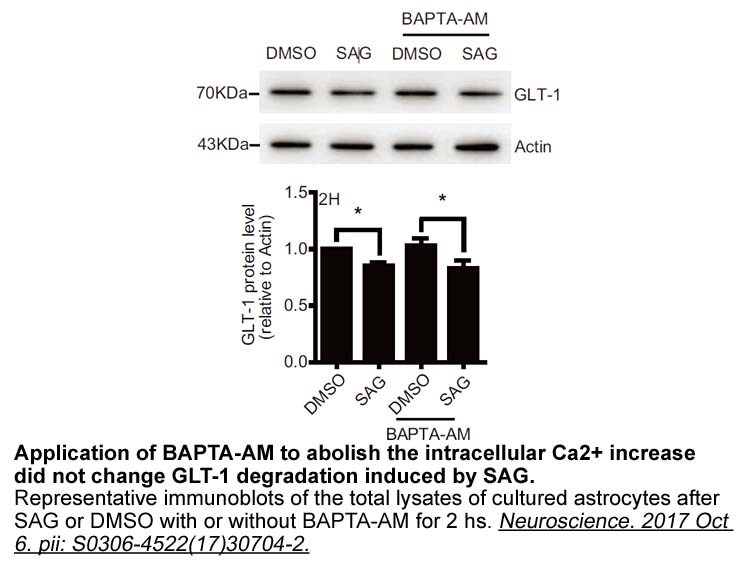
Although our data failed to reproduce the robust enhancement of LTP in the rat dentate with nicotine that was previously reported, our results with NS6740 suggest a more fundamental role for α7 receptor signaling in modulation of synaptic tone in the LTP pathway. The discovery of the cholinergic ant
-
3CAI Pyrimidine is the important pharmacology core
2024-11-27
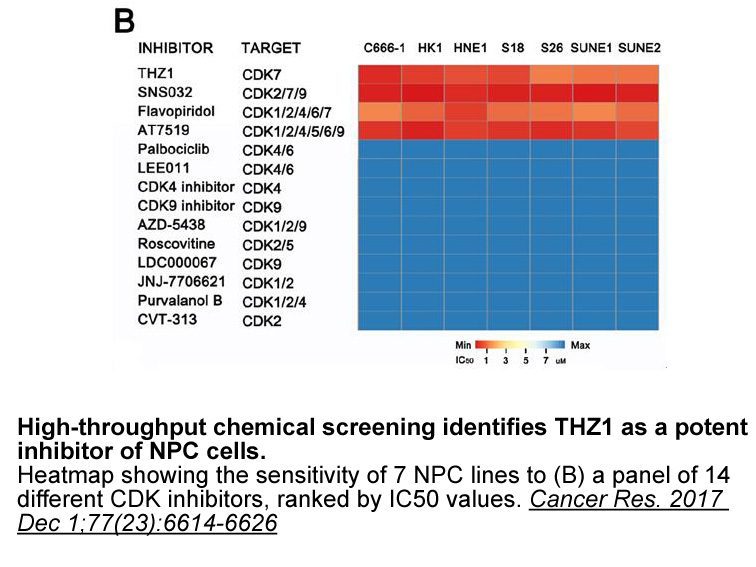
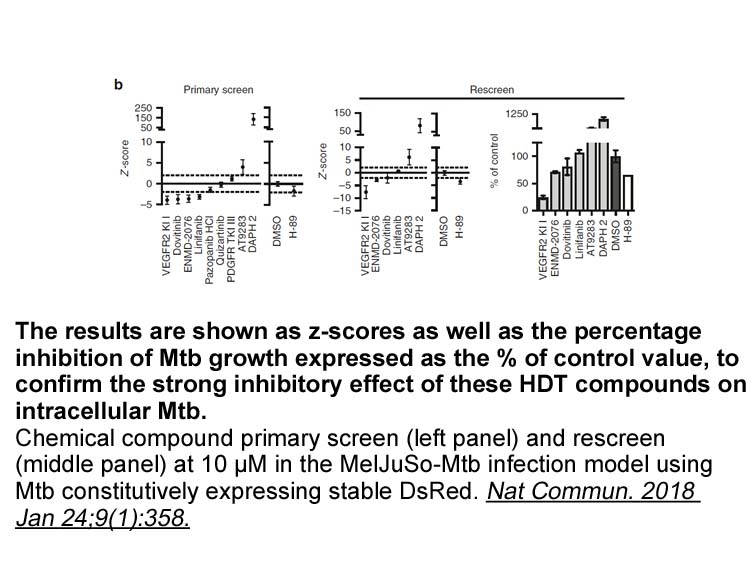
Pyrimidine is the important pharmacology core in many Aurora inhibitors, such as VX-680, ENMD-2076, CYC-116 and ENMD-2076 [12]. To identify additional effective Aurora inhibitors, we designed a series of 2,4-diaminopyrimidine compounds, our modeling studies suggested that the 3CAI core as well as th
-
Human leukemic blasts from both AML and ALL
2024-11-27
Human leukemic blasts from both AML and ALL patients demonstrated 5-, 12-, and 15-LOX expression [54]; however, using quantitative PCR, 5-LOX was much more prevalent than 15-LOX. When 15-HETE, 12-HETE, and LTB4 were tested for a direct effect on leukemic blasts, none induced apoptosis [54]. In contr
-
br Mechanisms of homeostasis At face
2024-11-27
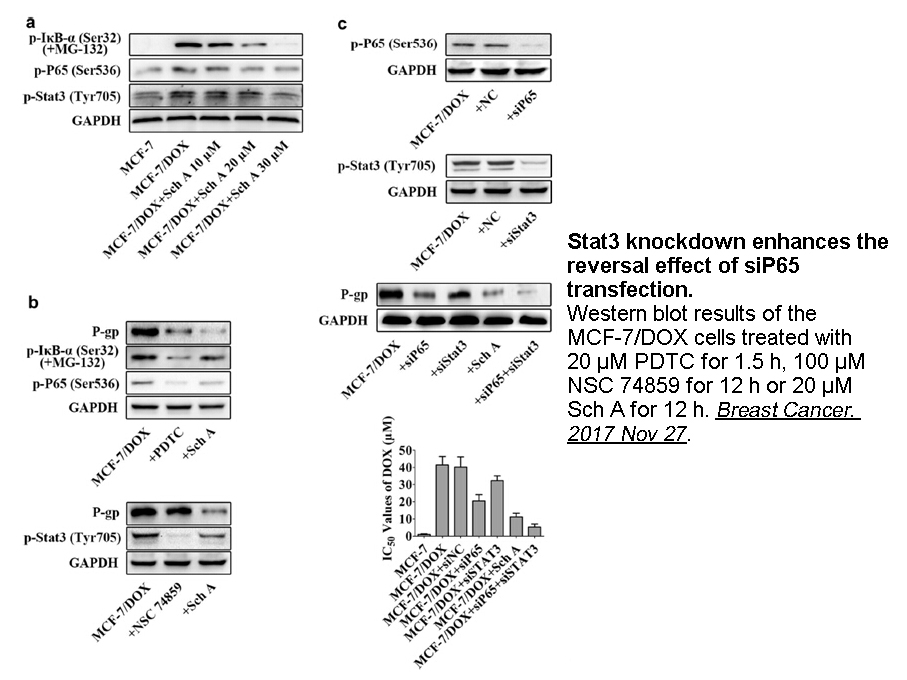
Mechanisms of homeostasis At face value, homeostatic mechanisms may seem like nothing more than a simple balance between opposing forces; however, the ability of Mec1/Tel1 to each orchestrate both negative and positive regulation greatly complicates the system under consideration and argues again
-
Treatment of all of the
2024-11-27
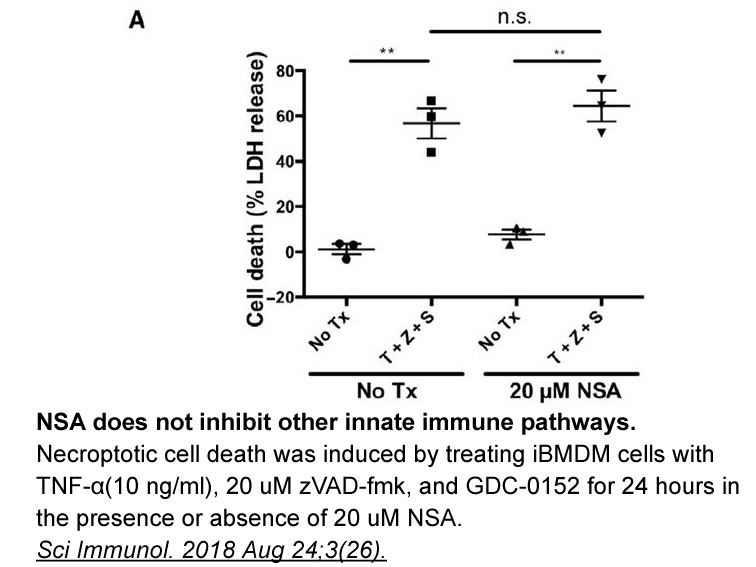
Treatment of all of the GYN cancer apoptosis in this study with ATRi not only reduced phosphorylation of Chk1 at Ser345 following genotoxic stress, but also phosphorylation of ATM. Loss of phospho-ATM following ATRi treatment is not likely due to non-specific targeting of ATM by ETP-46464 [28]. Whi
-
We demonstrated clearly that the
2024-11-27
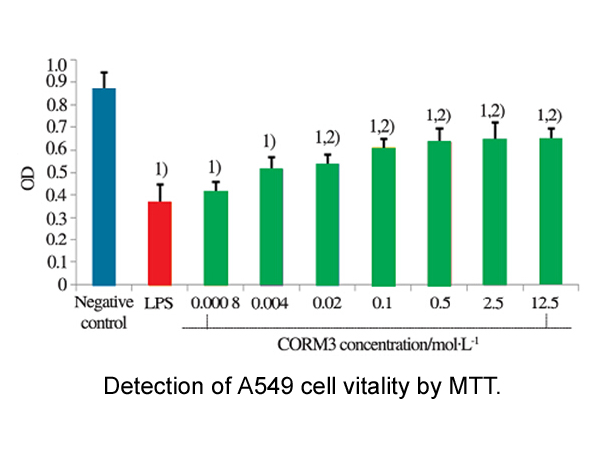
We demonstrated clearly that the overexpression of sFlt-1 significantly increased arginase glatiramer acetate and enhanced arginase activity in HUVECs (Fig. 3). NO formation is related inversely to serum levels of sFlt-1 in preeclampsia [11]. The disorder of NO formation, which was involved in hyper
-
The amino acids evaluated in this study
2024-11-26
The amino acids evaluated in this study represent proteinogenic (amino acids that are applied in the genetic code) or even essential ones (amino acids that cannot be synthesised by the organism and need to be taken up by nutrition). Tryptophan, phenylalanine, tyrosine, isoleucine, threonine and vali
-
IMR-1 Overexpression of AR in a transgenic
2024-11-26
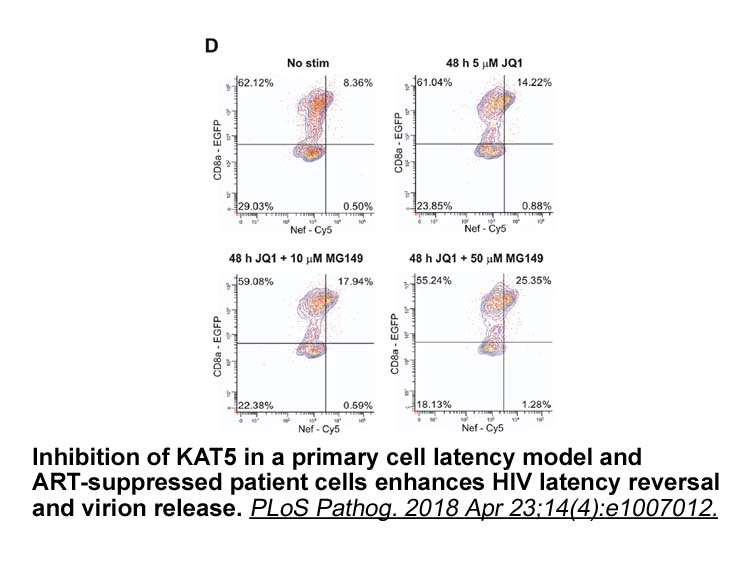
Overexpression of AR in a transgenic mouse model leads to a capsular cataract phenotype involving proliferation and formation of a fibrotic plaque of cells reminiscent of cells at the posterior IMR-1 in PCO [17]. To investigate the molecular mechanism that could link AR expression to this phenotype
-
Ginsenosides are the major bioactive constituents of the Pan
2024-11-26
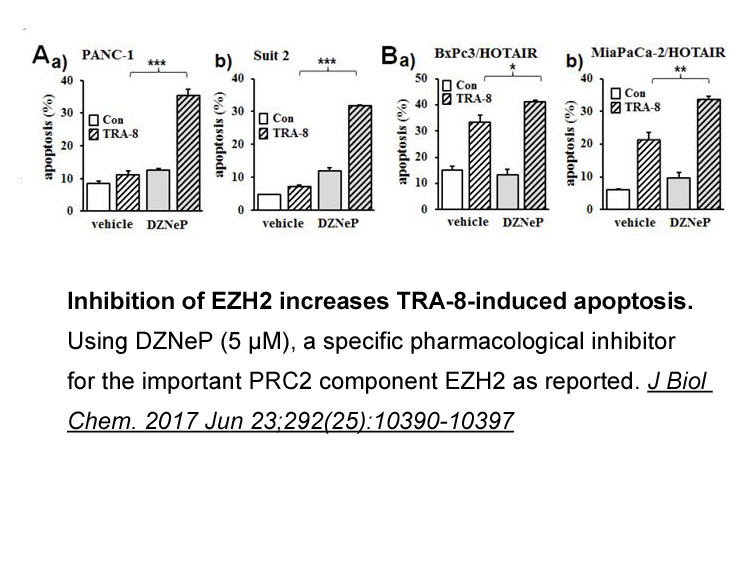
Ginsenosides are the major bioactive constituents of the Panax ginseng root, which contain many types of ginsenosides including Rb1, Rg1, Rc, and Rg3. The ginsenoside Rb1 appears to be the most abundant of the bioactive ginsenosides [15]. Rb1 exhibits antiinflammatory, anticarcinogenic, and antioxid
15947 records 61/1064 page Previous Next First page 上5页 6162636465 下5页 Last page